Athlete Autographs: How to Avoid Fakes and Get an Authentic Relic
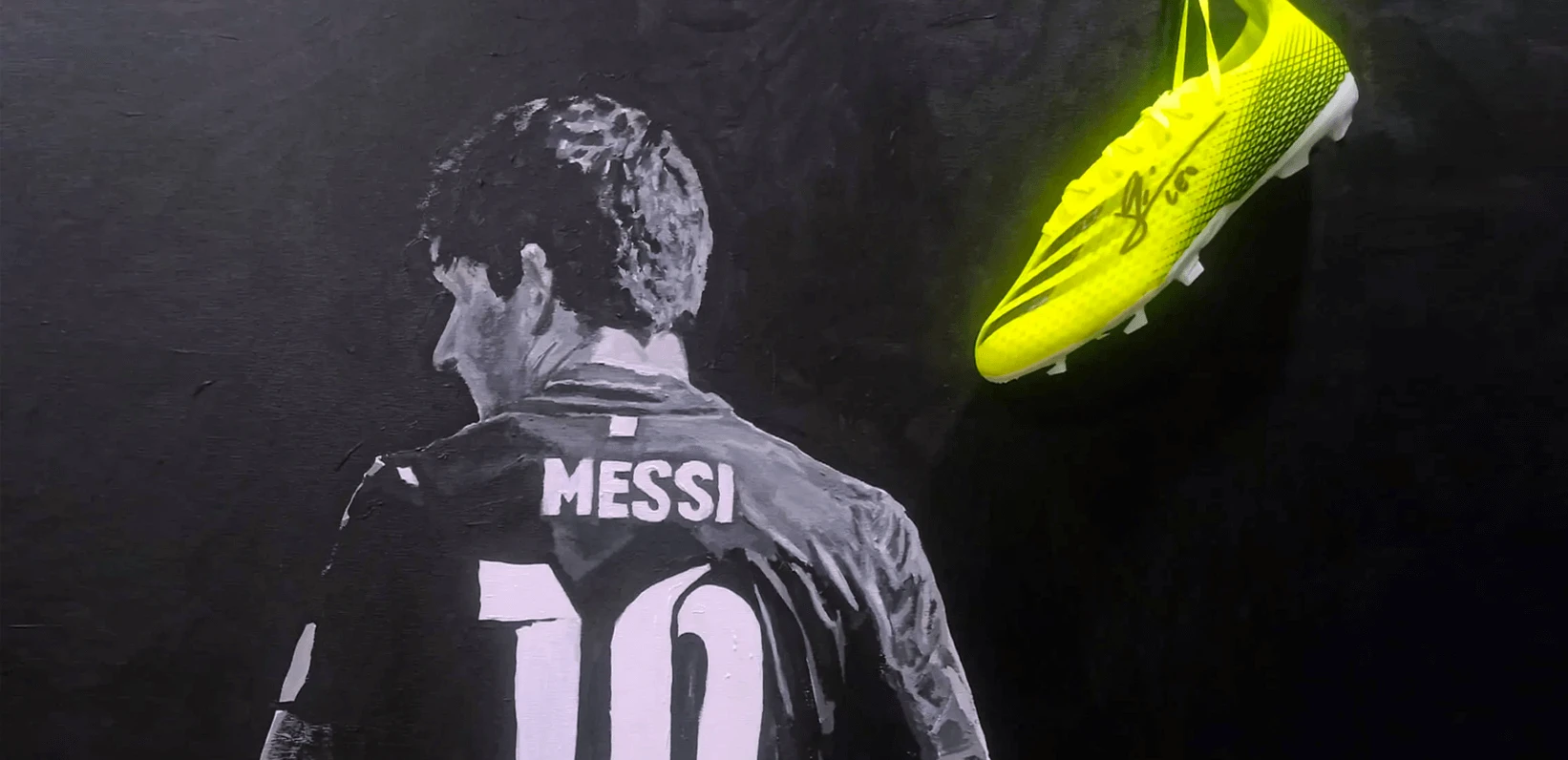
Athlete Autographs: How to Avoid Counterfeits and Acquire a Genuine Relic
Autographs from famous athletes are valuable collectibles that can bring joy and profit to their owners. However, along with the popularity of such relics, the number of counterfeits is also increasing. To avoid falling victim to scammers and to acquire a genuine autograph, it’s essential to know several key rules and methods for verifying authenticity.
1. Certificates of Authenticity (COA)
The first and most crucial step in verifying an autograph is to check for a Certificate of Authenticity (COA). This document certifies that the autograph is genuine and has been examined by qualified experts. COAs can be issued by reputable companies specializing in the authentication of sports signatures. If a seller cannot provide such a certificate, it should raise serious concerns for the buyer.
Here are some authoritative organizations that issue COAs:
- PSA/DNA: One of the leading companies in sports autograph authentication, known for its thorough verification process.
- JSA (James Spence Authentication): Another well-known provider specializing in sports signatures.
- Beckett Authentication: An organization that has gained popularity for its high standards of verification.
- Global Authentication (GAI): Another respected provider of authentication services, offering signature verification and certificates confirming the authenticity of autographs.
2. Check the History of the Signature
When purchasing an autograph, it’s important to know its history or "provenance." This may include information about when and where the signature was obtained, as well as photographs or videos of the moment the athlete signed. For example, if the autograph was obtained during a public event or an organized signing session, this increases the chances of its authenticity. Be cautious of autographs with dubious histories or that lack supporting evidence.
3. Pay Attention to Market Price
A suspiciously low price for an autograph from a famous athlete is one indicator of a potential counterfeit. Genuine autographs have a market value, and any significant deviation from this value should raise alarm bells. For instance, the signature of a well-known football or basketball player cannot be priced several times lower than the average market price. It’s important to compare prices across different platforms to get an idea of the autograph's real value.
4. Physical Signs of Authenticity
Some autographs may be easier to forge than others, but there are certain physical signs to look out for:
- Clarity of the Signature: A personally signed autograph usually has smooth and natural lines without abrupt pressure changes. Counterfeits may appear too "artificial," with uniform and clear lines.
- Material for Signing: If the athlete signed a ball, jersey, or photograph, it’s important to consider the material and how the signature looks. For example, on some surfaces, ink may appear less saturated if the signature was made at an angle or quickly, which may indicate authenticity.
- Timing of Signature Creation: Autographs may lose clarity or color over time, especially if they were created many years ago. However, a suspiciously "new" signature on an old item may be a sign of fraud.
5. Trust Reliable Sellers
Purchasing autographs should only be done through verified and trustworthy sellers. Here are a few options for finding genuine autographs:
- Reputable Auctions: Participating in major auctions, such as Heritage Auctions or Christie’s, ensures that all autographs undergo thorough verification before sale.
- Reputable Stores: There are stores and dealers who specialize in selling collectible items, including autographs. It’s important to look for reviews about such sellers and ensure their credibility.
- Direct Signing Sessions: One of the most reliable ways to obtain a genuine autograph is to attend special events where athletes personally sign items. In these cases, you have the opportunity to receive the signature in person and be confident in its authenticity.
6. Recognizing Counterfeits: Common Scams
Scammers may use various methods to counterfeit autographs, but there are several common schemes that can be recognized:
- Mass Reproduction of Signatures: Forgers may use mechanical means to mass-produce autographs that appear authentic. This can include autopens (automatic pens) that replicate signatures, but their use is easily noticeable due to the uniformity of each signature.
- Signatures by Someone Other than the Athlete: In some cases, signatures may be made by secretaries or other individuals on behalf of the athlete. Such signatures are less valuable and are not considered authentic.
- Signatures on Inappropriate Items: Scammers may sign items that the athlete would never sign. For example, a basketball signed by a tennis player may raise questions.
Conclusion
Purchasing an athlete’s autograph is not only an opportunity to acquire a piece of sports history but also a lucrative investment. However, to avoid fraud, it’s important to know how to properly verify the authenticity of the signature. Following the tips outlined above will help you make an informed decision and acquire a genuine sports relic that will not only hold emotional value but also has the potential to appreciate over time.